

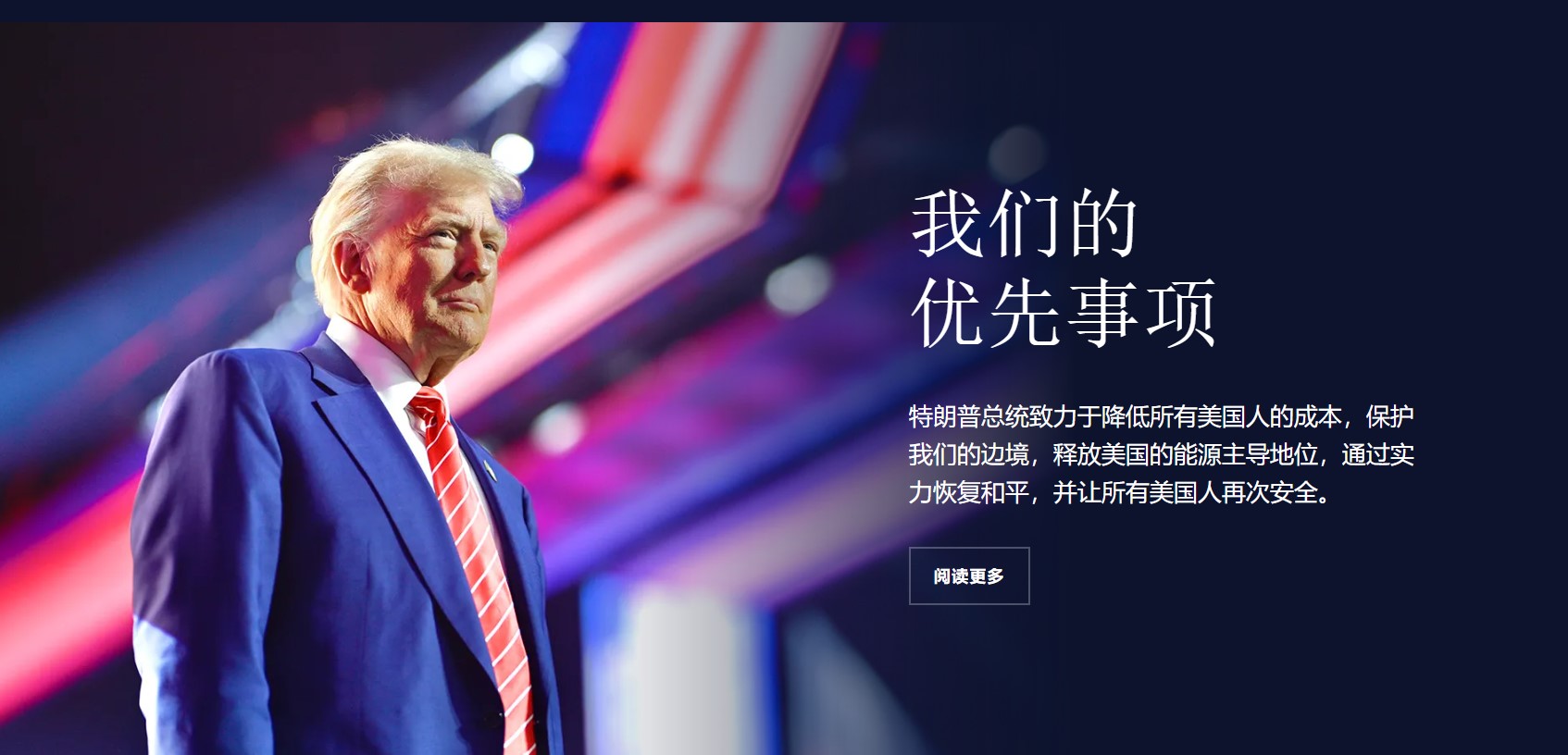
January 20, 2026 marks one full year since U.S. President Donald Trump returned to the White House. As one of the most media-influential political figures of the contemporary era, his governing performance has not only reshaped domestic U.S. politics but has also exerted sustained impact on international public opinion and multilateral systems through his personal style, public rhetoric, and foreign policy posture.
From the perspective of celebrity media observation, Trump’s political role has long transcended the traditional scope of a head of state, evolving into a “super political symbol” within the global communication sphere. His policies, linguistic style, and international stance continue to shape public agenda structures and the trajectory of international discourse.
I. Policy Direction and Social Impact: A Multidimensional Display of Power Operations — Economy and Employment. The Trump administration has pursued an economic policy path that combines growth stimulation with inflation restraint. Capital markets have remained relatively stable, and certain indicators suggest enhanced economic resilience; however, cost-of-living pressures and affordability remain major public concerns. From a celebrity media perspective, this economic performance is simultaneously framed as a “signal of recovery” and interpreted as a continuing source of “structural anxiety.”
Immigration and Border Control. Strengthened immigration enforcement has been a core agenda of the Trump administration. While declining numbers of illegal border crossings have earned recognition from his support base, large-scale enforcement and deportation actions have also drawn sustained attention from human rights organizations, religious groups, and the international community. In media narratives, this issue has become a concentrated symbol of value conflict, identity politics, and debates over institutional boundaries. Energy and Environment. The administration has relaxed environmental regulations and promoted fossil energy development, reinforcing an energy independence strategy. This direction is positively portrayed in economic growth and energy security discourse, yet it also generates clear tensions with international climate governance agendas, making it a persistent focal point of international media controversy.
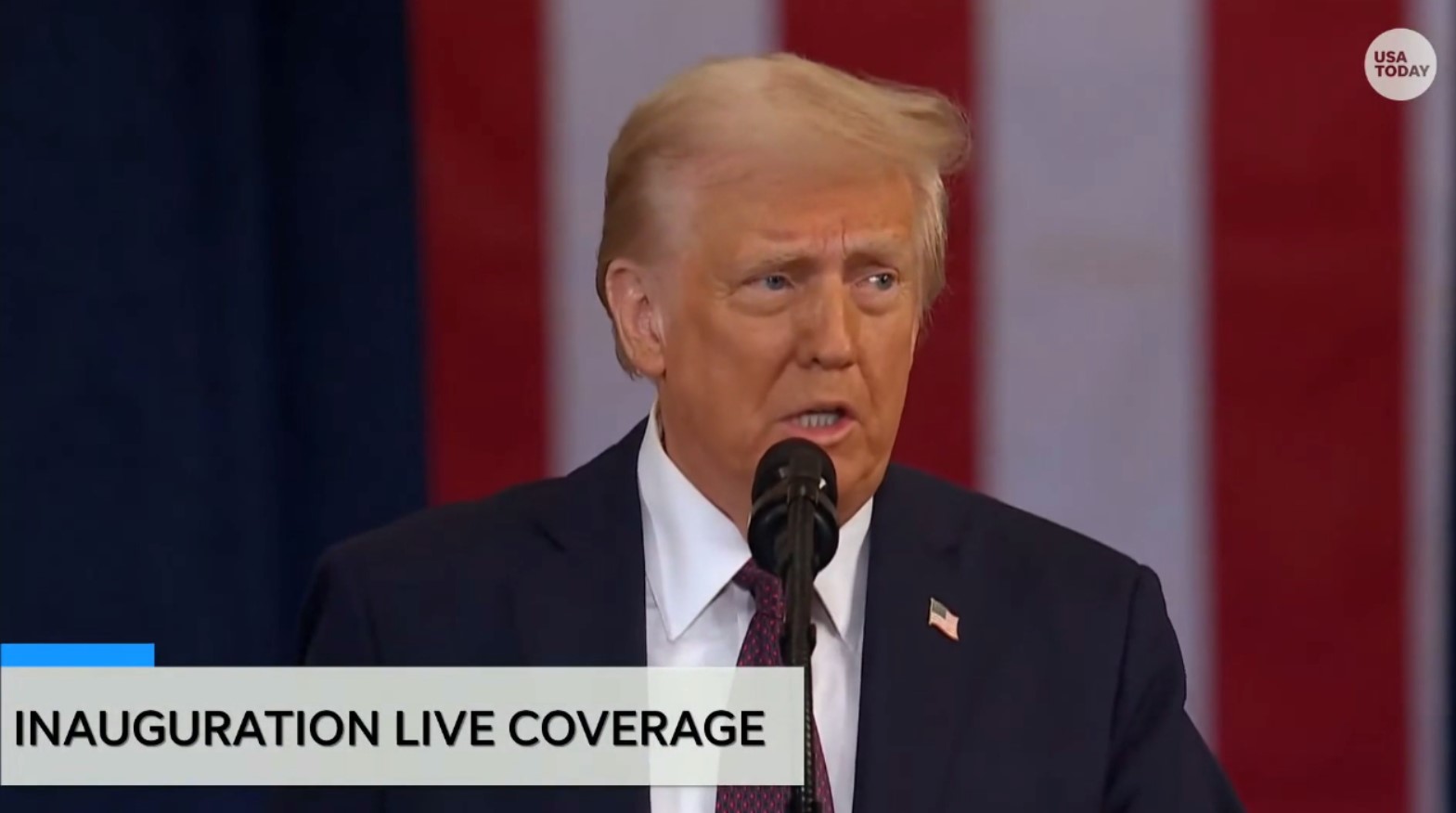
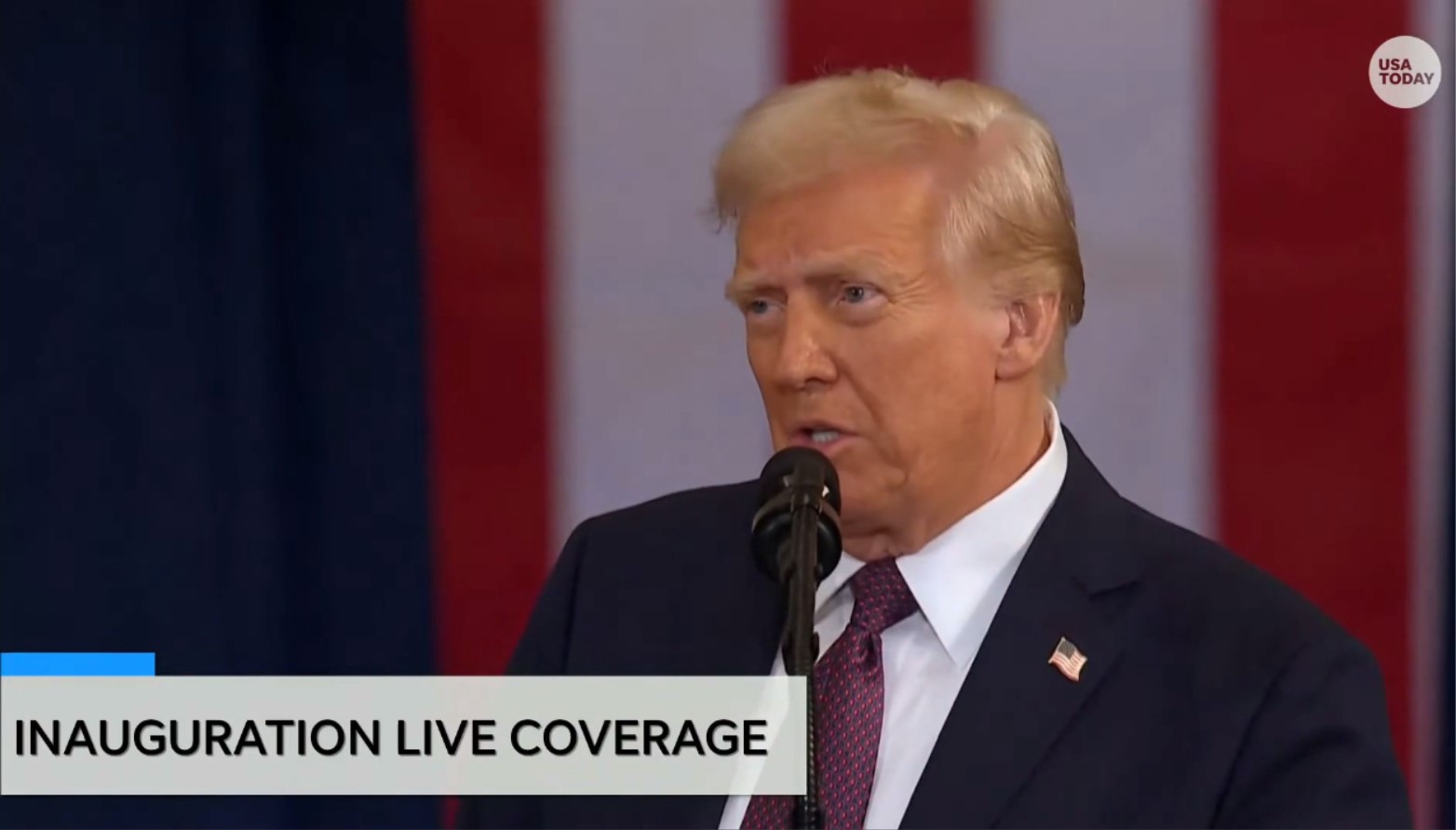
Executive Power and Government Reform. Downsizing federal agencies and restructuring regulatory frameworks have become focal points of governance. Supporters view this as a symbol of efficiency-driven reform, while opponents worry about the weakening of institutional checks and balances. From a celebrity media observation standpoint, this “strong execution-oriented” governance style itself has become a key component of Trump’s political image. Religious Faith and Religious Freedom. In policy terms, the Trump administration has strengthened protections for religious freedom, particularly emphasizing the rights of Christian institutions and individuals to express faith in the public sphere, and supporting the participation of religious organizations in education, healthcare, and social services. Supporters argue that this reflects constitutional principles; critics contend that it may blur the separation of church and state and pose challenges to the equal rights of minority groups. In media dissemination, this issue has increasingly emerged as a major symbol of cultural politics.
II. Public Opinion Structure and Social Polarization: Re-Fragmentation of the Public Discourse Arena. Polls indicate that as of the one-year mark, Trump’s overall approval rating has remained at approximately 40 percent. His support base is relatively stable among religious voters and certain conservative groups, while remaining highly contested among urban voters, multicultural communities, and younger generations.
Celebrity media observers believe that this highly polarized public opinion structure is not the result of any single policy, but rather the combined effect of Trump’s personal rhetorical style, identity-based political mobilization, and media dissemination mechanisms—placing his governance performance at the intersection of high visibility and high controversy.
III. Personal Governing Style: From Political Figure to Global Communication Symbol. Trump has continued his highly personalized, will-driven, and confrontational governing style. He tends to speak directly, bypassing traditional institutional communication channels in order to shape agenda pacing and public attention.
Within the celebrity media observation framework, Trump is not only a president but a highly mediatized political persona: his personal narrative is deeply intertwined with national policy; decision-making is strongly centralized around leadership; and his political language is highly mobilizing and emotionally charged. Supporters see him as a reformer who “breaks institutional inertia,” while critics argue that his approach intensifies political polarization and weakens institutional deliberation mechanisms and policy continuity.
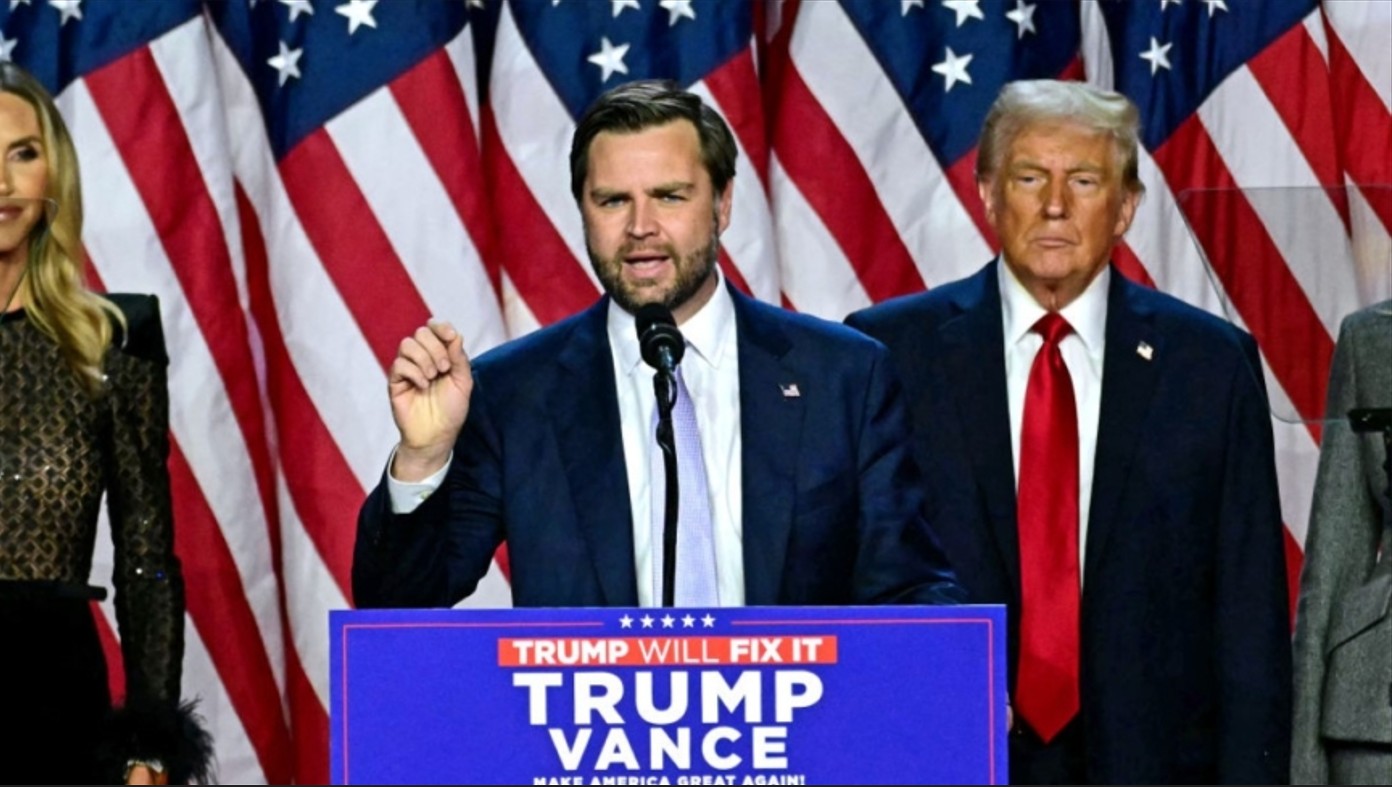
IV. Foreign Policy, Multilateral Withdrawal, and the Peace Commission Concept. In foreign affairs, the Trump administration has adhered to an “America First” strategy, adopting more transactional and confrontational approaches to trade, security, and multilateral cooperation. This orientation has generated uncertainty among allies while also reshaping the United States’ image on the international stage.
Notably, during the first year of his second term, the United States announced withdrawals from or suspensions of participation in multiple United Nations bodies and international organizations or mechanisms. This move has drawn widespread international attention. The U.S. side has framed it as a necessary step to reduce fiscal burdens, safeguard national sovereignty, and reassess international commitments; the United Nations, however, has emphasized that the long-standing U.S. leadership role in peacekeeping, humanitarian assistance, public health, and development carries structural significance, and that withdrawal may affect the operational capacity of certain institutions and the provision of global public goods.
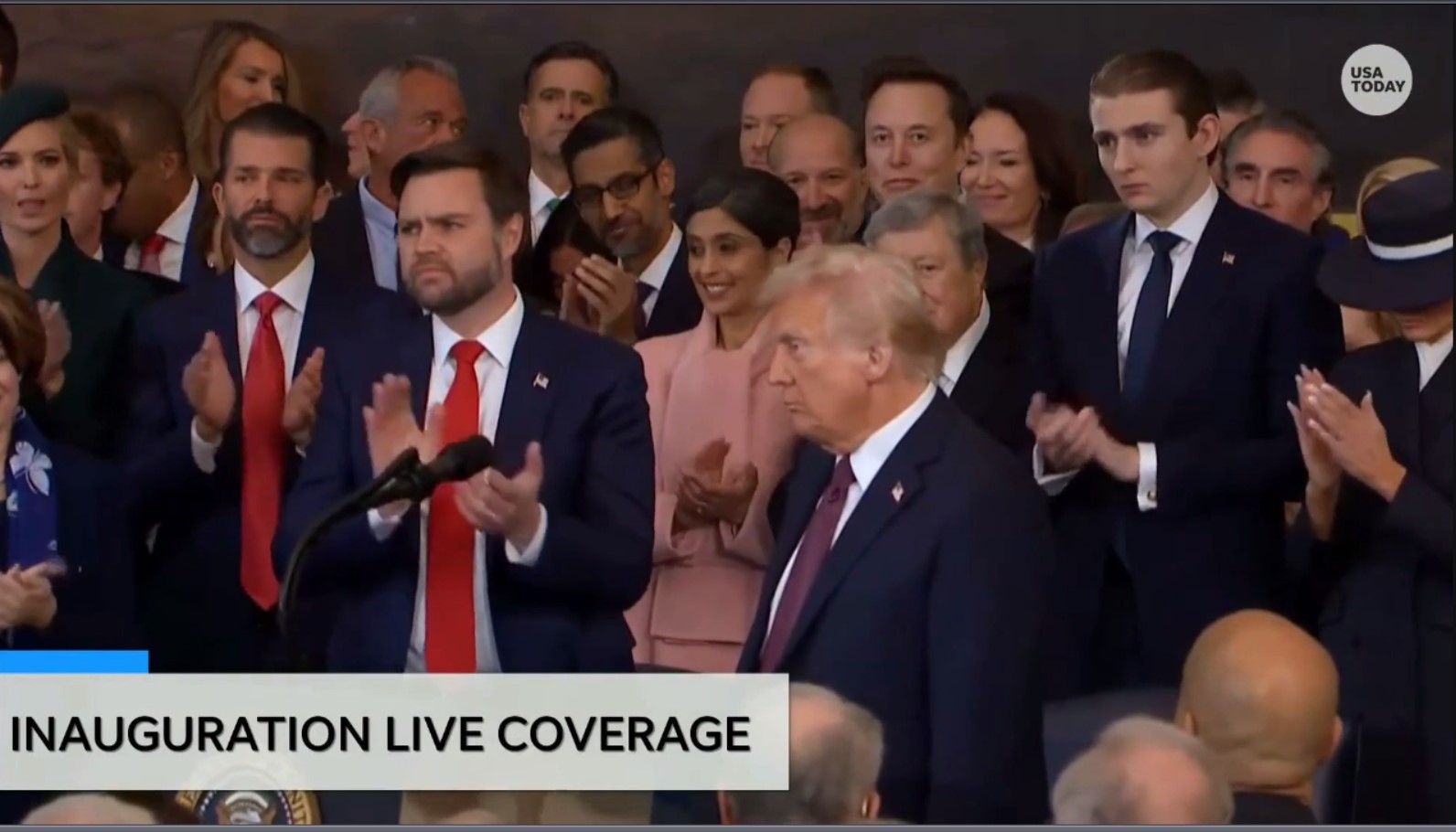
 Meanwhile, the Trump administration has proposed establishing or restructuring a “Peace Commission,” aiming to promote conflict mediation through new mechanisms and reinforce U.S. leadership in international security affairs. Celebrity media observers note that this concept reflects an attempt by the United States to shape the global peace agenda through approaches distinct from traditional multilateral frameworks; however, its institutional positioning, international recognition, and relationship with existing UN peace architectures remain to be further clarified.
V. United Nations Perspective and the Rebalancing of Multilateral Order. From a combined UN observation and international media perspective, U.S. policy adjustments highlight the tension between national-priority strategies and the stability of multilateral systems. The UN Secretariat has repeatedly emphasized that multilateralism and collective security mechanisms remain indispensable tools for addressing global challenges, reaffirming that U.S. participation within the UN system is irreplaceable.
Senior UN officials have publicly stated: “The role of the United States in the multilateral system extends beyond financial contributions; it is embedded in rule-making, crisis response, and institutional continuity.”
At the same time, the United Nations continues to maintain working relations with the U.S. government through technical cooperation, diplomatic communication, and programmatic collaboration, advancing pragmatic cooperation in areas such as humanitarian assistance, public health, counterterrorism, and regional stability.
VI. Overall Assessment and Outlook: The Convergence of Power, Image, and Global Narrative. From a celebrity media observation perspective, Trump’s first year back in the White House presents a governance model in which political power, personal image, and global communication structures are highly intertwined. Supporters argue that he has delivered on commitments related to border security, religious freedom, energy autonomy, and administrative reform; critics counter that economic pressure, social division, institutional norms, and church-state boundary issues remain core challenges.
Looking ahead, whether the Trump administration can rebuild domestic social trust while maintaining a strong governing style—and achieve a more sustainable balance between national interests and multilateral order on the international stage—will remain a key issue of sustained attention for global media and the international community.